Categories
cardiology Paediatric cardiology

What is Paediatric cardiologist and its common questions?

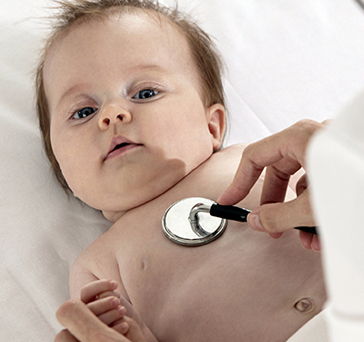
The pediatric cardiologist is a doctor who diagnoses and treats children with a cardiac conditions. They work with patient antenatally, through childhood and into adulthood.

Common questions on Pediatric Cardiologist?

How long will the surgery take?

The amount of time in the operating room depending upon the child’s heart defect and type of surgery. Your surgeon will be able to answer this question. When the surgery is completed, your surgeon will meet with you. Parents are allowed to visit the child approximately one hour after the child’s arrival in the PICU.

Where do parents wait during the surgery?

There is a large waiting area in the hospital, near the cardiac operating rooms. Parents, another family, and friends may wait there. Someone from the operating room will update you during the surgery.

Will my child need a blood transfusion?

Yes, with very few exceptions, any child who has heart surgery will need a blood transfusion. We encourage family and friends to donate blood for the child.

How long will my child be in the hospital?

Every child is different. Every day your child is here, your doctor and will make it a priority to communicate with you about the child’s condition and progress and plan for discharge.

When will my child be able to eat?

It is very important that the child not eat after midnight on the night before the surgery. After surgery, every child is different and it will depend upon the kind of surgery he has, but children are often ready to start eating one day after their heart surgery.

When do we have to come back to the hospital?

Your child will be seen by the nurse practitioner or the surgeon for a wound check 1–2 weeks after being discharged from the hospital. You will also see the cardiologist in 1–2 weeks and continue to follow with him or her throughout the child’s life. It is also important that your regular pediatrician sees the child soon after surgery.
Categories
cardiology Health and Care healthy heart tips

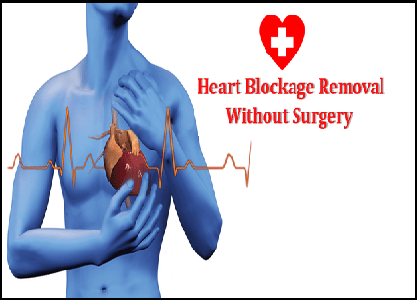
Treatment Of Heart Blockage Without Surgery

Opening severely blocked arteries can be challenging.  New techniques are helping doctors to complete the life-saving procedure.

If a person run long without any breathing issues is said to be healthy and have a healthy heart because the heart is getting enough blood. But if a person suffers from back pain, heaviness in chest, breathing issue, etc. then we can say heart is getting less blood.

An angiogram is done only when the patient is interested to undergo angioplasty or bypass surgery. An angiogram is done to find out where the block is.

To reduce the heart blocks, the most effective way is change in lifestyle. Proper diet and regular exercise will reduce heart problems gradually and can help to lead a normal life.

Categories
cardiology Health and Care healthy heart tips

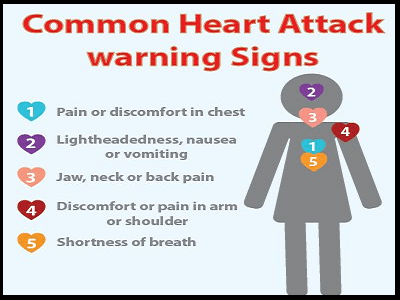
What does a heart attack feel like?

A heart attack may not be as dramatic as you think. If you’re experiencing any of the following symptoms, you may be having a heart attack.

Are you experiencing

  • heaviness
  • tightness
  • pressure
  • discomfort/pain

In any of these areas?

  • chest
  • shoulder
  • jaw
  • arm
  • neck
  • back

You may also experience

  • sweating
  • shortness of breath
  • nausea
  • fatigue
  • dizziness
Categories
cardiology Health and Care healthy heart tips

What is Cholesterol: Here’s All You Need to Know

We live in a world where heart health is more important. To stay healthy and active we want to know the basics of heart health and see our blood reports with some level of knowledge. While we always discuss our blood cholesterol levels, we do not know what it is specifically or what types of cholesterol are good for us.

What is cholesterol?

Cholesterol is a smooth fat-like substance in the blood that is created by the liver and is also seen in animal products such as meat, dairy products, and eggs. While very large levels of cholesterol can be dangerous it is necessary to remember that cholesterol is also necessary because it is required for many vital functions such as proper digestion of food, absorption of fat-soluble vitamins, and production of certain hormones. 

Factors that can increase your risk of bad cholesterol include:

There are several factors that influence total cholesterol levels in the blood. Genetic factors apart from diet, weight, smoking, and physical activity can be some major factors.

Prevention:

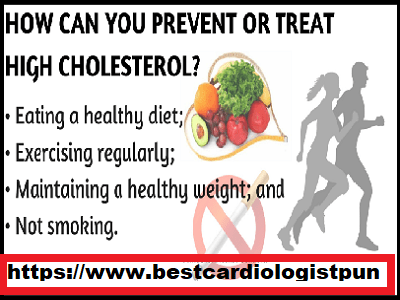
  • To help prevent high cholesterol, you can:
  • Eat a low-salt diet that features fruits, vegetables, and whole grains
  • Check the number of animal fats and use good fats in balance
  • Lose extra pounds and keep a healthy weight
  • Quit smoking
  • Exercise on most days of the week for at least 30 minutes
  • Drink alcohol in balance, if at all
  • Handle stress
Categories
cardiology Health and Care healthy heart tips

What is a heart attack and Types?

What is a heart attack and Types?

The coronary arteries carry blood to the Heart, permitting it to perform. A heart failure, conjointly called a myocardial infarct, happens once a blockage occurs within the coronary arteries and reduces the flow of blood to the Heart.

Blockages occur once fat, cholesterin, and different substances make up, forming deposits known as plaques in blood vessels. These plaques will become broken over time and will unleash platelets

Platelets can make the blood to clump. They may get around a plaque, ultimately blocking blood flow.

By limiting blood flow, these blockages will injury the heart muscle. The severity of injury can rely upon the dimensions of the blockage. once blood isn’t reaching a major phase of the heart, the injury is going to be a lot of intensive.

A cardiac arrest is usually mislabelled as a heart failure. However, a cardiac arrest happens once the guts suddenly stops operating.

Types

A coronary failure results from one in every of the subsequent styles of arteria coronaria disease:

  • STEMI

An ST-Elevation Myocardial Infarction(STEMI) coronary failure is severe and needs urgent care.

These attacks occur once the coronary artery is totally blocked, restricting blood from reaching an outsized space of the heart. This makes progressive injury to the heart muscle, which might eventually prevent it from functioning.

  • NSTEMI

NSTEMI stands for non-ST segment elevation myocardial infarction(NSTEMI) heart attacks happen when the coronary artery is partially blocked and blood flow is critically restricted. While they are few serious than STEMI heart attacks, they can create permanent injury.

  • Coronary artery spasm

These spasms also are referred to as silent heart attacks or unpredictable angina. They occur once the arteries connected to the heart contract, blocking or proscribing blood flow to the heart.

Signs don’t make permanent injury, and that they area unit less stringent than those of alternative sorts of arterial blood vessel illness.

It is attainable to mistake an arterial blood vessel spasm for a minor condition, like an upset stomach. However, having an arterial blood vessel spasm will increase the danger of getting a lot of severe heart attack.

Categories
cardiology Health and Care healthy heart tips

Foods that may Decrease Your Risk of Stroke

Foods that may Decrease Your Risk of Stroke

Lowering your blood pressure is the best method to defend yourself from a stroke. Pursuing these pointers for your diet may decrease your risk by twenty-seven %.

  • Salmon

You could reduce stroke risk by 6 to 12 percent by eating fish 3 or additional times per week

 Researchers counsel the omega-3 fatty acid fats in fish like salmon, tuna, and mackerel decrease swelling within the arteries, serving to boost blood flow and reduce the possibility of blood clots.

 Having more extra fish might conjointly mean your diet includes less red meat and prepared meats, that have additional artery-clogging saturated fats. strive consumption a minimum of 2 eight- to 12-ounce portions of oily fish weekly. Get on the lookout for these alternative foods which will really facilitate disengage your arteries.

  • Black beans

Make a serious hole in your everyday fiber ends by dishing out black beans for lunch. heat up a turtle bean dish with ¾ cups of the beans, and you’ll already be twenty-seven p.c of the process to reaching your regular recommendation.

Sweet potatoes

Sweet potatoes square measure one amongst your best bets for a fiber-rich vegetable dish at dinner. A half-cup serving while not the skin is packed with 1.8 grams of soluble fiber. Plus, sweet potatoes square measure filled with antioxidants to assist stop plaque buildup. Be careful with these signs of stroke you may be ignoring.

  • Low-fat milk

Turns out farm isn’t the health destroyer you may are told. One study by found people who frequently drank milk had a lower risk of cardiovascular disease than those that didn’t drink milk.

Another study following over 3,100 Japanese men for 22 years found that members who drank a minimum of two eight-ounce glasses of milk had 0.5 the danger of stroke as those that didn’t drink their dairy.

Dairy product square measure filled with magnesium, calcium, and potassium, all of which might facilitate lower blood pressure, then try to make two or three servings daily. simply ensure it’s low-fat on the saturated fat that’s connected with upset. be careful for these foods cardiologists ne’er eat

  • Bananas

Having additional potassium elements will truly lower blood pressure, even in individuals with high blood pressure. One study found that intake additional potassium was connected to a twenty-four p.c lower risk of stroke. Green bananas, in particular, can help reduce blood pressure,

Green bananas include resistant starch, which develops internal secretion sensitivity. Insulin sensitivity improves glucose management, which might facilitate assist with optimizing blood flow and reducing blood pressure. once buying bananas, selecting ones that square measure greener in color over totally ripe, browning yellow fruits.

  • Almonds

The Portfolio diet has several suggestions for a way to forestall stroke, as well as uptake some of almonds each day, which might facilitate lower your cholesterol. In precisely one portion of the nuts, you’ll feed your body with 9 grams of monounsaturated fat to lower down dangerous cholesterol whereas increasing the great kind. Almonds are an excellent supply of vitamin E, that may stop plaque from build up in your arteries.

  • Garlic

Garlic contains ajoene molecules that reduce platelet aggregation, which is unnecessary blood clumping which will make blood clots and result in stroke. Raw garlic, especially, will facilitate fight blood clots. Using One or 2 garlic cloves on a daily basis. Snacking on spread, therefore, are often scrumptious ways that for a way to stop stroke.

Categories
cardiology Health and Care healthy heart tips

Is it unhealthy to own associate irregular heartbeat?

Nearly everybody has known their heartbeat so quick, considered a “fluttering” in their chest or thought that their heart was “skipping a beat.” These are often signs of cardiopathy or irregular heartbeat.

Don’t panic if you’ve sometimes had these symptoms. Arrhythmias are extraordinarily common, particularly as you become older. every year many folks have them.

Most maximum cases are safe, however, some arrhythmias are extraordinarily serious and need treatment and management. Consult your doctor if you’ve got felt any of those symptoms to rule out different issues, like cardiovascular disease, and to convey your peace of mind.

Symptoms

Arrhythmias can provide a wide range of signs, from just obvious to vessel collapse and death.

  • A single early beat could also be felt as a “palpitation” or “skipped beat.”
  • Premature beats that happen usually in fast succession might cause a bigger awareness of heart palpitations or a “fluttering” sensation within the chest or neck.

When arrhythmias last long enough to have an effect on however well the heart works, additional severe symptoms might develop:

  • Fatigue
  • Dizziness
  • Chest pain
  • Rapid heartbeat or pounding
  • Shortness of breath
  • Lightheadedness
  • Fainting (syncope) or near-fainting spells
  • In extreme cases, collapse and explosiveasystole

Several tests will facilitate your doctor diagnose associate degree heart condition. Dr. Rahul Raosaheb Patil is notably amongst one of the best Cardiologist in Pune as well as in India. He is an expert Interventional Cardiologist in Pune.

Categories
cardiology Health and Care healthy heart tips

Managing Heart Health During Pregnancy

Pregnancy will be sort of a magic ball that enables you to check a glimpse of the longer term. Several pregnant ladies expertise numerous health problems, most of that area unit temporary. In some cases, however, it’s going to be a sign that you’re a bigger risk for disorder or alternative conditions later in life.

If you’re involved regarding your health or your baby’s health, speak together with your medical specialist or one among our cardiologists. to manage heart health throughout pregnancy, you must bear in mind of many problems.

1.Raised BLOOD FLOW AND HEART RATE

A rise in blood flow and further stress on the heart could be a common part of pregnancy. The quantity of blood in your body will increase by regarding fifty % to nourish your growing baby, and your heart generates way more blood throughout now. For that reason, your rate might quicken by regarding ten to fifteen beats per minute.

2.ARRHYTHMIA

An abnormal heartbeat is common throughout pregnancy. If there’s no previous history of heart disease or alternative medical considerations occurring at the same time, this issue is sometimes benign.

If this becomes difficult throughout your pregnancy or causes dizziness or shortness of breath, you must speak along with your doctor or look for immediate treatment. This can be one thing you must particularly be aware of if you’ve got been diagnosed with cardiac arrhythmia within the past.

3.HIGHER OR LOWER BLOOD pressure

Some ladies feel spikes in blood pressure, which should be observed and controlled.

4.PRE-EXISTING CONDITIONS

Natural heart defects, symptom cardiopathy, and heart valve problems all will have an influence on your body throughout maternity. Confirm your doctor is aware that you just have these pre-existing conditions or different conditions that will have an effect on you throughout now.

Dr.Rahul Patil is Paediatric Cardiologist In Pune. He has expertise in all areas of pediatric cardiology services available to all ages. For more details visit our Website: https://www.bestcardiologistpune.com/

Categories
Health and Care

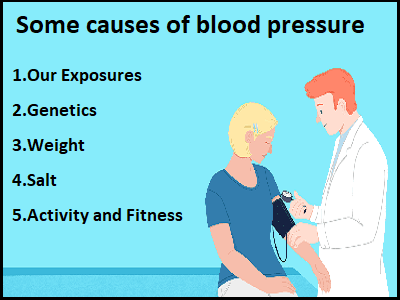
Some Causes of High Blood Pressure

Dr. Rahul Patil - Best cardiologist in Pune

1.Our Exposures

When we admit what causes high blood pressure, a variety of environmental exposures return to mind and are well-established influences of blood pressure. Diet is acknowledged to try to do this with sodium consumption the foremost acknowledge cause additionally as a diet low in fiber or vegetables. Excess alcohol has been concerned.

Poor way normally can low levels of activity and being overweight are necessary factors. a mixture of those factors is felt to hold the bulk of high blood pressure and for this reason non-drug, primarily based interventions are essential once treating high blood pressure. we are going to discuss several of those factors of what causes high blood pressure below

2. Genetics

Most consultants agree that there’s probably a major underlying genetic part to high blood pressure, the foremost common style of high blood pressure, but the reality is that once it involves the general public with high blood pressure, we tend to haven’t quite worked  out the genetic basis of what makes high vital sign that is without doubt advanced. This remains the extreme focus of in-progress research. There are however well defined genetic variants that are effective for small subsets of hypertensive patients. In these few subsets such as Liddle’s syndrome and others, changes in single genes reveals what makes high blood pressure.

4.Weight

The relationship between one’s body weight and blood pressure has been well established. Overweight people, for example, are much more likely to have high blood pressure.

This has been shown in many studies. In case of these considerations, the extra overweight one is, the higher their blood pressure is expected to be. In fact, if overweight patients drop weight and respond to a healthy weight, they have a significantly decreased risk of becoming hypertensive.

5.Salt

Interestingly not only high sodium levels but also low potassium levels have been involved in high blood pressure. In any dispute, the use of sodium while creating high blood pressure has been uncertain, but the medical center as a full guarantees mind when it happens to sodium consumption.

This is, even more, the situation in those supposed to be salt-sensitive such as the old and black patients or those with diabetes and kidney disease. It is a different case for potassium. Moderate potassium is linked to higher blood pressure and also more serious issues. A higher potassium level may blunt the impact of sodium on blood pressure.

6.Activity and Fitness

The relationship between physical activity and vital signs is well established. A lot of active someone is that the less possible they’re to own high blood pressure. this can be not simply the case for athletes since even comparatively modest levels of activity square measure related to lower levels of vital sign. Higher levels of fitness might forestall high blood pressure, improve vital sign management and result in improved vas outcomes generally.

Categories
Health and Care

Eat Healthy Live Long Healthy Life.

Enough solid evidence now exists to offer women several fundamental strategies for healthy eating. This includes emphasizing healthful unsaturated fats, whole grains, good protein, fruits and vegetables; limiting consumption of trans and saturated fats, highly refined grains, and sugary beverages; and taking a multivitamin with folic acid and extra vitamin D as a nutritional safety net. A diet based on these principles is healthy through virtually all life stages, from young adulthood through planning for pregnancy, pregnancy, and on into old age.

What is a healthy diet? We have many books and literature for healthy and balanced diet so as to prevent ourself from diseases and to live a long healthy life. Diet, of course, is just one approach to preventing illness. Limiting caloric intake to maintain a healthy weight, exercising regularly, and not smoking are three other essential strategies.

Avoid trans fats, which are generally found in commercially baked products and deep-fried restaurant food.

Limit intake of sources of rapidly digested carbohydrates such as white flour, white rice, pastries, sugary drinks, and French fries. In their place, emphasize whole grains (such as brown rice, barley, bulgur, quinoa, and wheat berries), whole fruits and vegetables, beans, and nuts.

Water is the best choice for hydration. Coffee and tea in moderation (with only a small amount of milk or sugar) are generally safe and healthful beverages. If milk is part of the diet, skim or low-fat milk is best. Avoid sugar-laden drinks such as sodas, fruits drinks, and sports drinks.

Calories expended are as important for good health as the quality and quantity of calories consumed. Current recommendations call for 30 minutes of physical activity such as brisk walking on most, if not all, days of the week.

Design a site like this with WordPress.com
Get started