Categories
cardiology Paediatric cardiology

What is Paediatric cardiologist and its common questions?

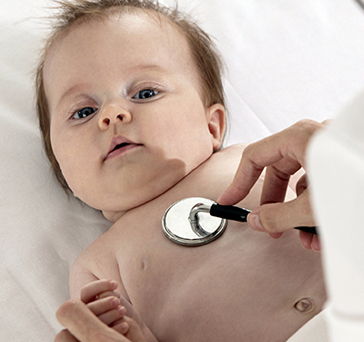
The pediatric cardiologist is a doctor who diagnoses and treats children with a cardiac conditions. They work with patient antenatally, through childhood and into adulthood.

Common questions on Pediatric Cardiologist?

How long will the surgery take?

The amount of time in the operating room depending upon the child’s heart defect and type of surgery. Your surgeon will be able to answer this question. When the surgery is completed, your surgeon will meet with you. Parents are allowed to visit the child approximately one hour after the child’s arrival in the PICU.

Where do parents wait during the surgery?

There is a large waiting area in the hospital, near the cardiac operating rooms. Parents, another family, and friends may wait there. Someone from the operating room will update you during the surgery.

Will my child need a blood transfusion?

Yes, with very few exceptions, any child who has heart surgery will need a blood transfusion. We encourage family and friends to donate blood for the child.

How long will my child be in the hospital?

Every child is different. Every day your child is here, your doctor and will make it a priority to communicate with you about the child’s condition and progress and plan for discharge.

When will my child be able to eat?

It is very important that the child not eat after midnight on the night before the surgery. After surgery, every child is different and it will depend upon the kind of surgery he has, but children are often ready to start eating one day after their heart surgery.

When do we have to come back to the hospital?

Your child will be seen by the nurse practitioner or the surgeon for a wound check 1–2 weeks after being discharged from the hospital. You will also see the cardiologist in 1–2 weeks and continue to follow with him or her throughout the child’s life. It is also important that your regular pediatrician sees the child soon after surgery.
Categories
cardiology Health and Care healthy heart tips

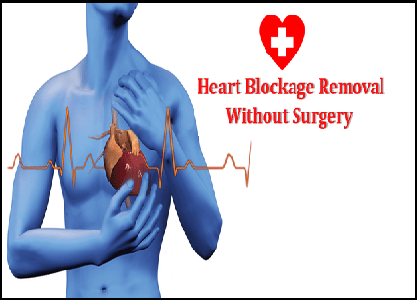
Treatment Of Heart Blockage Without Surgery

Opening severely blocked arteries can be challenging.  New techniques are helping doctors to complete the life-saving procedure.

If a person run long without any breathing issues is said to be healthy and have a healthy heart because the heart is getting enough blood. But if a person suffers from back pain, heaviness in chest, breathing issue, etc. then we can say heart is getting less blood.

An angiogram is done only when the patient is interested to undergo angioplasty or bypass surgery. An angiogram is done to find out where the block is.

To reduce the heart blocks, the most effective way is change in lifestyle. Proper diet and regular exercise will reduce heart problems gradually and can help to lead a normal life.

Categories
cardiology Health and Care healthy heart tips

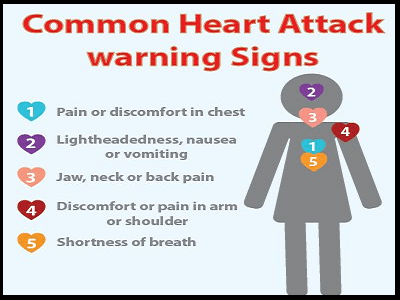
What does a heart attack feel like?

A heart attack may not be as dramatic as you think. If you’re experiencing any of the following symptoms, you may be having a heart attack.

Are you experiencing

  • heaviness
  • tightness
  • pressure
  • discomfort/pain

In any of these areas?

  • chest
  • shoulder
  • jaw
  • arm
  • neck
  • back

You may also experience

  • sweating
  • shortness of breath
  • nausea
  • fatigue
  • dizziness
Categories
cardiology Health and Care healthy heart tips

What is Cholesterol: Here’s All You Need to Know

We live in a world where heart health is more important. To stay healthy and active we want to know the basics of heart health and see our blood reports with some level of knowledge. While we always discuss our blood cholesterol levels, we do not know what it is specifically or what types of cholesterol are good for us.

What is cholesterol?

Cholesterol is a smooth fat-like substance in the blood that is created by the liver and is also seen in animal products such as meat, dairy products, and eggs. While very large levels of cholesterol can be dangerous it is necessary to remember that cholesterol is also necessary because it is required for many vital functions such as proper digestion of food, absorption of fat-soluble vitamins, and production of certain hormones. 

Factors that can increase your risk of bad cholesterol include:

There are several factors that influence total cholesterol levels in the blood. Genetic factors apart from diet, weight, smoking, and physical activity can be some major factors.

Prevention:

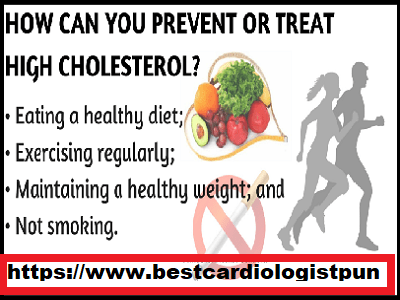
  • To help prevent high cholesterol, you can:
  • Eat a low-salt diet that features fruits, vegetables, and whole grains
  • Check the number of animal fats and use good fats in balance
  • Lose extra pounds and keep a healthy weight
  • Quit smoking
  • Exercise on most days of the week for at least 30 minutes
  • Drink alcohol in balance, if at all
  • Handle stress
Categories
cardiology Health and Care healthy heart tips

ब्लडप्रेशर और हाइपरटेंशन के बारे में पूरी जानकारी

मैं डॉक्टर राहुल पाटिल Consultant Cardiologist Ruby Hall Pune and Director Hridayam Heart Care Clinic and ESMR Center Pune. में आज Blood Pressure अथवा हाइपरटेंशन के बारे में बात करने वाला हु | हाइपरटेंशन ये काफी अनजान जैसी बीमारी है जिसका कोई  डायग्नोसिस भी नहीं होता है और पहली बार पेशेंट उस वक्त में उसको ब्लड प्रेशर के साथ heart attack और Paralysis जैसे symptoms आते  है| तो यह हाइपरटेंशन क्या है इसके बारे में हमें जानना बहुत जरूरी है क्योंकि World Health Organisation रिपोर्ट आया था उसमें ऐसा कहा गया है कि दुनिया में 1/4 पॉपुलेशन जो है ये blood pressure  से पीड़ित है। और इसमें भारत का प्रमाण कुछ अच्छा नहीं है. भारत के पॉपुलेशन में 23 %पुरुष वर्ग में और 22 % महिला वर्ग में 25 उम्र से ज्यादा उम्र के लोगों में लक्षण पाया गया है और इन सब रिपोर्ट में जब हम देखते हैतो उसमें 15% में अनकंट्रोल ब्लडप्रेशर देखा गया है| तो ये ब्लडप्रेशर काफी भयानक और काफी डेंजरस बीमारी है जिसे लॉन्ग टर्म में काफी कॉम्प्लेक्स आ सकते हैं। इसलिए हम इस बीमारी के बारे में आज बात करेंगे|

हाइपरटेंशन क्या है?

हाइपरटेंशन ये Rise in Blood pressure हैं| आम इंसान का ब्लड प्रेशर जब हम लक्षण गिनते हैं तो ये लक्षण 120 से140 पारा ऐसा कहा जाता है. 2018 के अनुसार अगर कोई भी ब्लड प्रेशर 120 से 130 के बीच में  to ये ब्लड प्रेशर को Elevated Blood Pressure कहा जाता है । और isse आगे Stage 1 and Stage 2 को हम हाइपरटेंशन बोलते है . स्टेज वन मतलब जिसका ब्लड प्रेशर 130 से 140 के बीच में ऊपर वाला और नीचे का ८० और ९० के बिच में है तो उसको बोलते है स्टेज वन हाइपरटेंशन और Stage 2 हाइपरटेंशन मतलब जिसका ब्लड प्रेशर 140 से ज्यादा है और  नीचे का ब्लड प्रेशर 90 जाता है तो इसे Stage 2 हाइपरटेंशन कहते हैं।

ये ब्लड प्रेशर हमें क्यूं होता है? और इसका क्या क्या कारण है ये हमें जान लेना बहुत जरूरी है?

आजकल बहुत कम उम्र में हमें ब्लडप्रेशर की बीमारी दिखाई देती है। जब भी कोई आईटी प्रोफेशनल या कोई गृहिणी हमारे पास रूटीन चेकअप के लिए आती है तो हम उनका बीपी चेक करते हैं तो 100 में से 15 लोगों में ब्लडप्रेशर बिना कोई लक्षण के ज्यादा दिखाई देता है। अगर हम उसे कहते हैं कि इससे आपको ब्लडप्रेशर है तो वो भी surprise हो जाते हैं। अगर आपको 25 या किसी उम्र में आजकल प्रेशर आता है तो आगे चल के आपको इससे जानलेवा हार्ट का या ब्रेन का प्रॉब्लम हो सकता है। इसलिए हमें इसके कारण ध्यान देना जरुरी है |तो अभी हम जिस तरह से बात कर रहे हैं कि जिस कम उम्र में  आजकल ये blood pressure देखा जाता है

1.आमतौर पर ये कम उम्र में कारण में ही देखा जाता है कि जिसके फैमिली हिस्ट्री स्ट्रॉन्ग है बच्चे के माता पिता में ब्लड प्रेशर है तो उनमें ब्लडप्रेशर की चांसेज ज्यादा है। पर ऐसे लोगों में और लाइफस्टाइल खराब है तो उसमें ज्यादा हो सकता है लाइफस्टाइल में अगर आपके Solid intake मतलब आपका नमक खाने का प्रमाण अगर ज्यादा है तो आपको ब्लड प्रेशर जल्दी हो सकता है.

2.अगर आपके खाने में जो चीजे आप खाते। हाई कैलोरी और फैट फूड कहते हैं जिसमें आप पिज्जा या बर्गर या काफी तेल की चीजे आप ज्यादा पसंद करते हैं ज्यादा हम उसे बोले कि जिस चीज में ज्यादा टेस्ट है कोई भी टेस्टी चीज जब खाने में आई तो उसमें ज्यादातर ऑयल और कोलेस्ट्रॉल ज्यादा होता है तो ऐसी चीजों से ब्लडप्रेशर बढने के चांसेज ज्यादा होते हैं।

3.आजकल  उम्र से कम लोगों ने तनाव का प्रमाण बहोत ज्यादा है स्पेशली आईटी प्रोफेशनल्स में हम देखते हैं कि उनकी ड्यूटी आवर्स  12 12 घंटे होते हैं। सबेरे जल्दी निकलते हैं शाम को देर से आते सो आईटी प्रोफेशन में स्ट्रेस और सोने का अभाव मतलब स्ट्रेस तो ज्यादा ही है। मगर सोने का वक्त भी ठीक नहीं है और जिनको रात को 11 12 बजे सोते और सवेरे जल्दी उठ जाते उनकी नींद पूरी नहीं होता है तो ये जिनका नींद पूरा नहीं होता इन लोगों में भी blood pressure बहुत ज्यादा दिखाई देता है और जिन लोगों में से व्यायाम का प्रमाण कम है और जो व्यायाम करता ही नहीं है  ऐसे लोगों में जिसका cylinderic लाइफस्टाइल है मतलब पूरा दिन ऑफिस में बैठे रहते हैं खाना वक्त में नहीं खाते मानसिक तनाव से मगर शारीरिक stress नहीं है शारीरिक श्रम नहीं। तो ऐसे लोगों में इस lifestyle के वजेसे मोटापा बढ़ता है पर मोटापा बढ़ने से blood pressure की बीमारी ही बढती है वह हमारे मोटापा बढने के साथ इन लोगों में और रात में मुख्यतः लम्बी लम्बी खर्राटे लेने की आदत पड़ती है और इस बीमारी को बोलते हैं sleep apnia सिंड्रोम  sleep apnia सिंड्रोम के लोगों में भी 15 से 20 % लोगों में ब्लडप्रेशर पाया जाता है तो ये सभी ऐसी कुछ  कारण है जिसकी वजह से ब्लडप्रेशर होता है।

अभी बहोत कॉमन कारण जो तरूण लोगों में देखा जाता है। ये है स्मोकिंग हैंड फोम है जो लोग सिगरेट पीते हैं। जो लोग तंबाकू का सेवन करते हैं ऐसे लोगों में भी ब्लडप्रेशर कम उम्र देखा जा सकता है तो ये सारे कारण थे जिससे हमें आगे चलके ट्रीटमेंट करना पड़ता है। तो अगर आपको ब्लडप्रेशर है तो आपको लक्षण क्या आ सकते हैं। तो अगर हम आपको बताएं तो आप आश्चर्य चकित हो जाएँगी की 50% लोगों में कोई लक्षण नहीं फैलता है।

या वो रूटीन चेकअप में जाते हैं तो तब उन्हें मालूम पड़ता है कि आपको ब्लडप्रेशर तो 50 70 लोगों में तो कोई लक्षण भी लगे फिर भी उनको ब्लड प्रेशर नहीं अंदर दीमक की तरह खराब करते जाता है और बीमारियां देते जाता है और पेशेंट को उसके बारे में पता भी नहीं चलता है .तो 50%लोग तो स्पर्शोन्मुख मतलब कोई भी बिना लक्षण रहते हैं फिर भी जो लोगों में लक्षण दिखाई दिए थे वो सामान्य लक्षण ये है कि आपको हेडेक होता है मतलब  सिरदर्द होता रहता है उसके कारण ठंडा पसीना आना चक्कर जैसे होना और बेचैनी महसूस करना या बेचैनी लगते रहना कि हमें कुछ तो गड़बड़ और जल्दी थकान हो जाना आपको रात को नींद ना आना तो ये सारे सिम्पटम्स कुल मिला के आपको blood pressure के लक्षण में ढाल सकते हैं। मगर काफी बार ऐसा देखा जाता है आपको ब्लडप्रेशर है तो ब्लडप्रेशर Asymptomatic मतलब कोई लक्षण नहीं आया और आपका ब्लड प्रेशर धीरे धीरे 2,3,4 सालों में आपको पता ही नहीं चला तब ब्लड प्रेशर ज्यादा है और बहोत  बार पांचवें साल के बाद आपका ब्लड प्रेशर 180 190 हो गया है और फिर भी आपको कोई लक्षण नहीं है तो ऐसे लोगों में suddenaly पैरालिसिस का झटका आ सकता है| या ब्लड प्रेशर जब पहली बार डायग्नोस हुआ तो उसी दिन आपको स्ट्रोक हो गया है या हार्ट अटैक हो गया है तो ऐसे सिम्पटम्स बहुत आमतौर पर दिखाई देते हैं तो ब्लड प्रेशर के बारे में हम इतना जो बात कर रहे है , ब्लड प्रेशर इतना खराब आपके लिए क्यों है तो ये ब्लड प्रेशर क्या क्या करता है शरीर में ब्लड प्रेशर मतलब आपके रक्त वाहिकाएं में से जो खून आपके शरीर में दौड़ाता sare अंग को जब सप्लाय करता है तो ये ब्लड  वाहिकामेका प्रेशर मतलब blood pressure है ।

जितना हाई ब्लड प्रेशर रहेंगा उतनाही हाई प्रेशर से ब्लड आपके अंग को मिलनेवाली है अगर इतने हाय प्रेशर से ब्लड आहार आपको मिलता है आपके अंग को तो आपके अंग ख़राब हो सकते है उसका आमतोर  पे उलझन रहता है उसको मेडिकल टर्म में अथेरोस्क्लेरोसिस बोलते है मतलब ब्लड प्रेशर की वजेसे आपकी सारी नसे जो ब्लड लेके जातीहै उसपे मोटापा होना कोलेस्ट्रॉल जमा होना और ओ मोटा होने के बाद कठोर हो जाती है और उसकी एलास्टिसिटी काम हो जाती है तो इसको बोलते है अथेरोस्क्लेरोसिस .ये अथेरोस्क्लेरोसिस ही हे जिसके वेजसे पहिला लक्षण हाइपरटेंशन का जो आता है उसे परैलिसिस बोलते है स्ट्रोक बोलते है .स्ट्रोक  २ तराके होते है जिसका ब्लड प्रेशर ज्यादा होने से मतलब २२० के ऊपर चला जाये तो अचानक ब्रेन की कोई नस फट जाती है और पेशंट के दिमाग में रक्तश्राव हो जाता है और उसकी वजेसे  पेशंट बेहोश होके उसे पक्षाघात हो जाता है . ब्लड प्रेशर ज्यादा नहीं हो खून कि गाठ होक ब्रेन में जाके ओ कहिपे रक्तश्राव कम करदे तो इसमे  पेशंट के किसी भाग में रक्तश्राव बंद होजाये तो उसको Ischemic स्ट्रोक कहते है और इसकी वजसे आपके ब्रेन  में पैरालिसिस का प्रेजेंटेशन आ सकता है तो ये सामान्य प्रेजेंटेशन है| दूसरा जो प्रॉब्लम हाइपरटेंशन के साथ देखा जा सकता है ओ हार्ट अटैक . ब्लड प्रेशर मोटा होक व्हापे कोलेस्ट्रॉल जमा होता है तो हाइपरटेंशन बहोत सामन्य कारण है जिसकी वजसे नसों में कोलेस्ट्रॉल जमा होता है और उसकी वजसे हार्ट अटैक सम्भवना बढ़ जाती है और ओ हार्ट अटैक सम्भवना किसी एक पेशंट में हम हिसाब करे तो उसकी  सम्भवना सामन्य व्यक्ति से १५% बढ़ जाती है और उसका सिर्फ एकहि कारण है राइज इन ब्लड प्रेशर .अगर किसी पेशंट में ये ब्लड  प्रेशर काफी उनकंट्रोलड रहा तो उसकी दोनों किडनी ख़राब हो सकती है . और उसके साथ कुछ लोगो में आँखों में प्रॉब्लम हो सकती है उसको रेटिनोपैथी कहते है और उसकी वजेसे आपकी आंखे भी जा सकती है .अभी ब्लड प्रेशर के बारे इतना सब जाने के बाद की ये किस वैजेसे होता है उसका कारण क्या है उसके प्रेप्रेजेंटेशन क्या है .ये सब जाने के बाद अगर आपको बताया जाये की ये ब्लड प्रेशर का निदान कैसे होता है तो आप किसी भी डॉक्टर के पास जाओ ओ आपका ब्लड प्रेशर गिनके देगा.अपनी पढ़ाई करते पहले दूसरे साल में ही उनको ब्लडप्रेशर कैसे गिना जाता है तो सिखाया जाता है फिर में मैं आपके लिए बताऊंगा कि ब्लड प्रेशर कैसे होंगे।ब्लड प्रेशर गिनने के लिए अगर आपको किसी हॉस्पिटल में जाना है और आपको डर लग रहा है तो फिर आपका ब्लड प्रेशर बढ़के आता है तो उस ब्लड प्रेशर को हम बोलते है सफेद कोट उच्च रक्तचाप फिर भी आप डॉक्टर के पास गए हे, तो आपको १ घंटा पहले चाय और कॉफी नहीं पिणि है जानेके बाद १० मिनिट शांति से बैठना है उसके बाद ये ब्लड प्रेशर बैठके चेक करना है आपको टेबल पे लेटना नहीं है

Categories
Health and Care

How Laughing Can Help Your Heart? – Dr. Rahul Patil

How Laughing Can Help Your Heart

While it’s true that a diet and exercise are nice for your heart, did you recognize that laughter is simply as important? Stress will grow up fast and make adverse consequences throughout the body, particularly your heart. Some researches have revealed that people with bound temperament varieties, as an example, people who are hostile or bitter, have a greater risk of heart disease

How Laughing advantages Your Heart

Humor is dangerous. once laughter is shared, it connects people along and will increase confidence and happiness. It additionally triggers healthy physical changes within the body. Laughter helps:

  •  Increase your system
  • Give associate degree energy boost
  • Defend against stress

It immediately takes you into balance by restful the complete body and triggering the discharge of endorphins. Endorphins are your body’s natural feel-good chemicals. They promote a way of well-being and may briefly relieve pain.

 It additionally protects your heart by:

  • Reducing pressure level — reducing pressure level will scale back your risk for heart failure and stroke.
  • Decreasing stress endocrine levels — decreasing anxiety hormones in your body will in more powerful immune system execution.
  • Expanding the number of T-cells — T-cells are specialized immune system cells that boost your system and facilitate oppose illness.
  • Improving the function of blood vessels and increasing blood flow —improved circulation can reduce your risk for heart disease
  • Developing overall cardiovascular health — laughter could be a nice cardio effort, particularly for people who are incompetent in doing different physical activities. It gets your heart pumping and burns an identical quantity of calories per hour as walking at a slow to moderate pace.
Categories
Health and Care

Eat Healthy Live Long Healthy Life.

Enough solid evidence now exists to offer women several fundamental strategies for healthy eating. This includes emphasizing healthful unsaturated fats, whole grains, good protein, fruits and vegetables; limiting consumption of trans and saturated fats, highly refined grains, and sugary beverages; and taking a multivitamin with folic acid and extra vitamin D as a nutritional safety net. A diet based on these principles is healthy through virtually all life stages, from young adulthood through planning for pregnancy, pregnancy, and on into old age.

What is a healthy diet? We have many books and literature for healthy and balanced diet so as to prevent ourself from diseases and to live a long healthy life. Diet, of course, is just one approach to preventing illness. Limiting caloric intake to maintain a healthy weight, exercising regularly, and not smoking are three other essential strategies.

Avoid trans fats, which are generally found in commercially baked products and deep-fried restaurant food.

Limit intake of sources of rapidly digested carbohydrates such as white flour, white rice, pastries, sugary drinks, and French fries. In their place, emphasize whole grains (such as brown rice, barley, bulgur, quinoa, and wheat berries), whole fruits and vegetables, beans, and nuts.

Water is the best choice for hydration. Coffee and tea in moderation (with only a small amount of milk or sugar) are generally safe and healthful beverages. If milk is part of the diet, skim or low-fat milk is best. Avoid sugar-laden drinks such as sodas, fruits drinks, and sports drinks.

Calories expended are as important for good health as the quality and quantity of calories consumed. Current recommendations call for 30 minutes of physical activity such as brisk walking on most, if not all, days of the week.

Categories
Health and Care

First Aortic Valve replacement done in awake patient by Young Cardiologist of Pune : Dr Rahul Patil

TAVR Procedures

Day 1 Awake Aortic valve replacement under local anesthesia

Dr. Rahul Patil - Best Cardiologist in Pune

Day 1: After 9 Hours of Valve replacement

Day 3: Discharge without a single stitch on body

Dr. Rahul Patil - Best Cardiologist in Pune

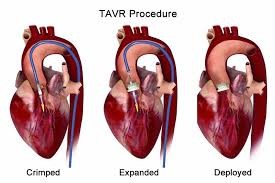
Transcatheter aortic valve implantation (TAVI) or transcatheter aortic valve replacement (TAVR), is the replacement of the aortic valve of the heart through the blood vessel without open-heart surgery. The replacement valve is delivered by a transfemoral approach ie groin like Angioplasty.

Severe symptomatic aortic stenosis carries a poor prognosis with a life expectancy of 2 to 5 years after diagnosis. Until recently, surgical aortic valve replacement was the standard of care in adults with severe symptomatic aortic stenosis. However, the risks associated with surgical aortic valve replacement are increased in elderly patients and those with concomitant severe systolic heart failure or coronary artery disease, as well as in people with comorbidities such as cerebrovascular and peripheral arterial disease, chronic kidney disease, and chronic respiratory dysfunction.

The first implantation in a patient was performed in 2002 on April 16 by Alain Cribier in Hospital Charles Nicolle, at the University of Rouen

This therapy got USFDA approval in 2011, two major companies which manufacture Valve is Edwards’ Sapien aortic valve is made from bovine pericardial tissue and is implanted via a catheter-based delivery system and Medtronic’s CoreValve Transcatheter Aortic Valve is constructed of a self-expanding Nitinol frame and delivered through the femoral artery. This device received FDA approval in January 2014.

Indian manufactured MyValve is CE approved and Indian DCGI approved from Meril Lifesciences, it started with the Pilot study in India 2017, following which it got DCGI approval, It is available for commercial use since 2018. To date, this  400 numbers of valves are deployed in India and abroad. My valve has received great recognition in Europe and the middle east due to its smooth deliverability and lesser adverse events.

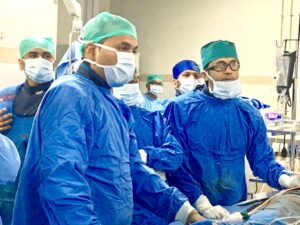
Ruby Hall clinic has delivered such 3 TAVR valves till now, but Young cardiologist Dr. Rahul Patil, Interventional cardiologist, Ruby hall clinic, Pune did this procedure as primary operator along with Proctor Dr. Anmol Sonawane and associate Dr. C N Makhale, Dr. Bikas Sahoo cardiac anesthetist on 13/10/2019 Sunday at 10 am in a 65-year-old Mr. Bashir shaikh from Pune. This procedure was done under local anesthesia in the awake state of the patient during procedure like routine angioplasty. The procedure time was 1 hour only. Dr. P K Grant congratulated the team of Dr. Rahul Patil for his excellent work.

The patient was mobilized after 9 hours, shifted from CCU after 24 hours and discharged on 3 rd day of procedure.

As a conventional Surgical aortic valve replacement, the patient has to undergo open-heart surgery on heart-lung machine where operation time is 4 hours, it involved 10 to 12 % of Morbidity and mortality. Patient has to kept on Ventilator for 24 hours, Patient remains in surgical ICU for 4 days, and total hospitalization for 10 days. It takes  3 weeks for complete healing of stitches over the chest wall, and 2 to 3 months for sternal fracture healing. This procedure also involves the risk of embolic brain stroke in 5 to 6 %of patients.

Today, TAVI is recommended not only in high surgical risk patients but also in moderate to low-risk patients.

Dr. Rahul Patil has been trained in the Netherlands for TAVI in 2009 and now he owes promise to all his high-risk heart valve disease patients who can be treated without undergoing open-heart surgery.

Categories
Health and Care

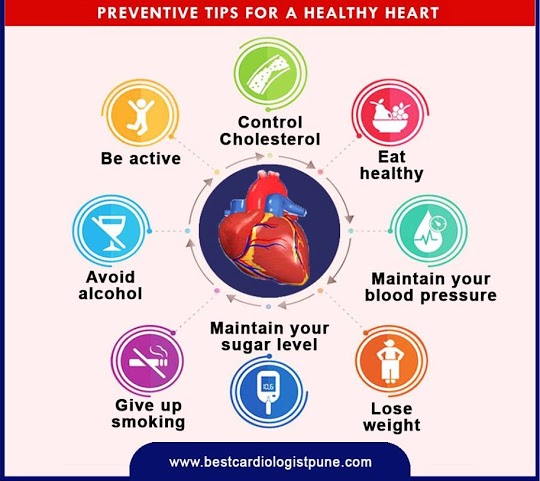
Preventive Tips For a Healthy Heart

  • Cholesterol: Raised levels of cholesterol can close your arteries and increase your risk of coronary artery disease and heart attack .
  • Eat a healthy: Try to restrict full fats, foods high in sodium, and supplemented sugars. Eat lots of fresh fruit, vegetables, and healthy grains.
  • Maintain your blood pressure: Above blood pressure is a significant risk factor for heart disease. It is necessary to make your blood pressure monitored frequently – at most limited once a year for most adults, and more frequently if you have high blood pressure. Appropriate steps, including lifestyle changes, to stop or control high blood pressure.
  • Loose weight: Staying overweight or having obesity can boost your risk for heart disease.
  • Maintain Your Sugar Level: Having diabetes increases your chance of diabetic heart disease. This is because, over time, high blood sugar from diabetes can harm your blood vessels and the tissues that regulate your heart and blood vessels. So, it is necessary to get examined for diabetes, and if you have it, to have it under control.
  • Give Up Smoking: Cigarette smoking increases your blood pressure and sets you at greater danger for heart attack and stroke. If you do not smoke, do not start.
  • Avoid Alcohol: Taking too much alcohol can increase your blood pressure. It also computes extra calories, which may create weight gain
  • Be Active: Exercise has many advantages, including increasing your heart and growing your circulation.
Categories
Uncategorized

Best Cardiologist in India – Dr. Rahul Patil

Best Cardiologist in Pune, India is a very subjective term, as there are a number of doctors in India specializing in Cardiology across several top hospitals. Dr.Rahul Raosaheb Patil is notably amongst one of the best Cardiologist in Pune as well as in India. He is an expert Interventional Cardiologist in Pune, practice since 2006 and Director, Interventional Cardiology, at Hridayam Heart Clinic in Pune. He has also served as a Consultant Cardiologist at Ruby Hall Clinic since 2006. In addition, Dr.Rahul Patil teaches at BJ Medical College & Sassoon General Hospital, in the capacity of Assistant Professor.

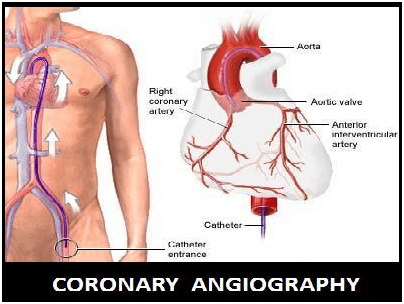
What is Coronary Angiography?

Coronary angiography is a test used to determine how much narrowing there is in your arteries. It is a method that uses contrast dye, usually containing iodine and x-ray pictures to recognize blockages in the coronary arteries that are created by plaque buildup. It supplies your heart muscle with blood. They can become clogged from a buildup of cholesterol, cells or other substances (plaque).

Why do I need Coronary Angiography?

Coronary angiography can be used to help diagnose heart conditions, help plan future treatments and carry out certain procedures. For example, it may be used:

  • after a heart attack – where the heart’s blood supply is blocked
  •  to help diagnose angina – where pain in the chest is caused by restricted blood supply to the heart
  • to plan interventional or surgical procedures – such as a coronary angioplasty, where narrowed or blocked blood vessels are widened
Design a site like this with WordPress.com
Get started